

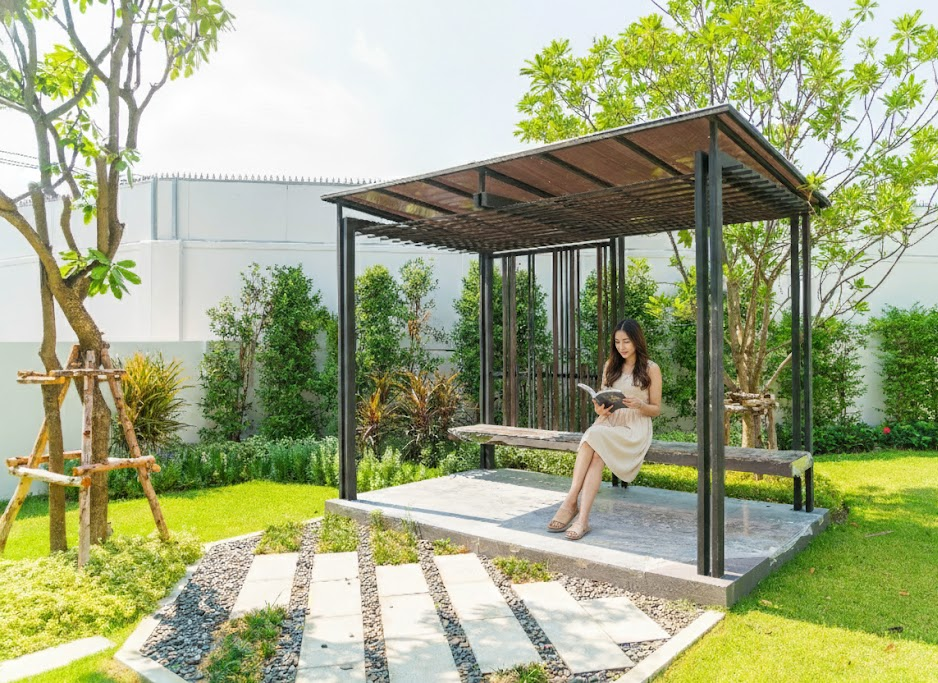
In the past five years, garden offices and studios with timber exteriors have become very popular in UK gardens. This trend is due to changes in planning laws, more people working remotely, and the high costs of home extensions.
In the UK, architectural discussions are increasingly focusing on “secondary volumes”: smaller, independent buildings that help ease demand on the main house. This trend is not just a response to limited space; it represents a smart method to manage land by treating the garden as an extension of the home.
In 2026, experts predict that the UK garden room market will be valued at £3.56 billion, growing at more than 11% annually. This shows how garden rooms have changed from being seen as temporary options to essential parts of modern home development.
However, a key question remains for homeowners who care about design: Are separate garden structures a valuable part of architecture, or just temporary solutions to changing lifestyles?
At Matthew Cutler, we provide smart architectural solutions across the UK and Europe.
Are Detached Garden Structures a Smart Architectural Solution or a Passing Trend?
Let’s explore if detached garden structures are a smart architectural solution or passing trend”
Defines Architectural Spaces
Detached garden structures are buildings located on the same property as the primary house but separate from it. These include the following:
- Garden offices
- Studios
- Annexures
- Workshops
Unlike temporary sheds or huts, they are permanent structures that help organise and define outdoor spaces. When looking at these structures in a garden, we see them as key parts of the landscape. They help give the garden size and purpose, transforming a simple lawn into a series of connected spaces.
These structures often range in size from 10 to 30 square metres. In England, many of them can be built under Permitted Development (PD) rules if they meet specific height and usage guidelines. A well-designed, permanent garden room can increase the value of a property by 5-15%.
This increase stems from creating a useful living space that enhances both the lifestyle and the resale value.
Provides Long-Term Market Value
Several factors suggest that garden rooms are becoming a lasting change in how we use residential land:
- Remote Work Requirements: Many people now require quiet and professional workspaces, and this need will continue in the long run. The work-from-home model has evolved into a hybrid approach. As a result, having a separate office space is now a common expectation for high-end property listings.
- Cost-Effective Solution: Garden rooms provide extra space without the high costs or delays often linked to traditional home extensions.
- Work-Life Balance: A separate workspace can help keep work and personal life separate, which is important for mental well-being.
- Flexible Use: Garden rooms can easily change from offices to guest rooms or wellness spaces as family needs change over time.For clearer insight into legal requirements, take a look at this useful guide that explains garden room building regulations to ensure your project remains fully compliant.
Shape the Outdoor Living Space
When a detached structure is seen as an important part of the property, it does more than add a room; it changes the whole space:
- Creates Focal Points: They act as visual stops and destinations, drawing the eye through the landscape.
- Defines Outdoor Rooms: Courtyard designs define “outdoor rooms” for dining or relaxation.
- Improves Connectivity: Placing the structures strategically connects the house and garden with shared materials and aligned views.
Detached garden structures are clearly a permanent architectural solution of the housing landscape in the UK. With the space, value and flexibility they provide, they are expected to be a long-term addition to the UK home.
But how should one add a Detached Garden Structure without disrupting a home’s flow.
How to Add a Detached Garden Structure?
Here are a few tips to make a garden structure a permanent feature of your home:
Identify Site Constraints
Start with analysing your garden space. If you are unsure about the space, here are some situations where it may not work well:
- In very shallow gardens, it can take up too much space.
- In places that cast shadows on neighbouring properties.
- Changing the existing house layout can lead to a better overall result.
After your initial analysis, you are unsure on how to proceed, consult a professional for creative solutions.
Ensure Structural Permanence
To make modular units seem less disposable, architects should opt for better materials and design them to fit the site well.
Timber remains one of the most adaptable materials for secondary volumes within a residential setting. In the South of England, timber building specialists Elfords fabricate their structures in-house before assembling them on site, a process that allows greater control over framing depth and joinery detailing.
This workshop-based approach contrasts with lightweight modular systems and tends to produce structures that feel more permanent within a garden composition.
These buildings use strong timber frames and high-quality glass, making them similar to primary homes. This shift from “temporary shelter” to “permanent annex” is what distinguishes a smart architectural approach from a passing trend.
Avoid Trend-Led Design Risks
People often see garden rooms as a passing trend because of poor design choices. When you order generic units without thinking about the specific location, you can end up with:
- Visual clutter in crowded spaces that disrupts the look of the main house.
- Poor insulation, making it uncomfortable to use throughout the year and leading to it being unused.
- Short lifespans caused by cheap materials that don’t stand up to the weather like the main house.
- Landscapes that feel broken, where the structure looks like it was just placed there rather than blended in.
To avoid problems, you should think about how the new building interacts with the existing house. If the materials or sizes do not match well, the new structure will feel more like a temporary addition instead of a natural part of the property’s history.
Conclusion: Strategy Over Fashion
Detached garden structures are becoming more popular because they offer practical solutions for limited outdoor space. When well-designed, they fulfil various needs and blend in with the garden’s style as lasting features.
However, if they are poorly designed or too generic, these structures may not last long. Treat garden rooms as essential parts of your space to make sure they enhance your outdoor living experience.
If you are thinking about adding space to your property, explore our practical guide to garden rooms and home extensions. This will help you decide which option best suits your budget and lifestyle.

